


As Uganda heads toward the 2026 general elections, the country’s top election official has issued a stern warning: stop using money to buy votes.
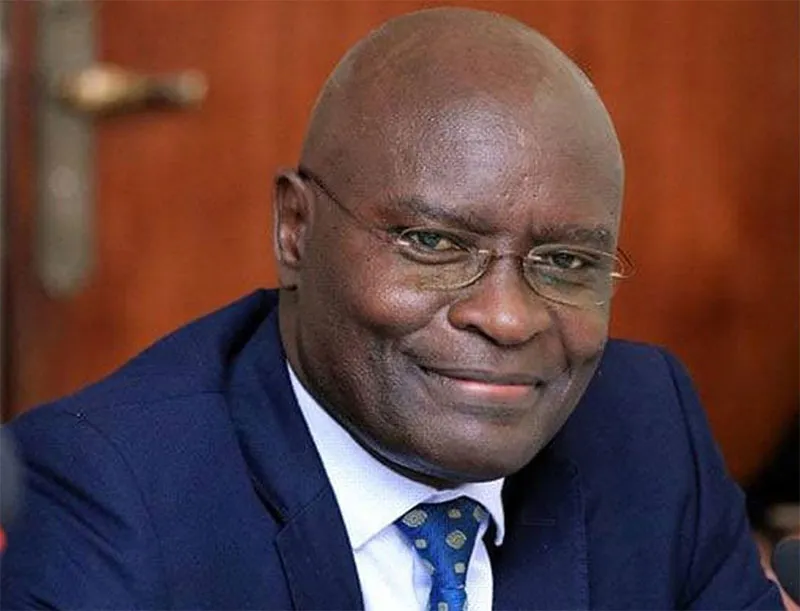
At a press briefing in Kampala last week, Justice Simon Mugenyi Byabakama, chairperson of the Electoral Commission, condemned the growing trend of candidates showering voters with cash and gifts, calling it a criminal act that undermines democracy.
“It is a criminal offense to use money to influence voters,” Byabakama said firmly.
“Giving voters things like hoes and other items is something the Commission does not encourage. Elections in Uganda should be free and fair.”
In Uganda, buying or selling votes is not only unethical—it’s a crime. The Parliamentary Elections Act of 2005 makes it punishable by up to three years in prison or a fine. Yet, despite the law’s clarity, the practice remains deeply woven into the country’s political fabric.
Analysts say voter bribery does more than just taint elections; it feeds a larger culture of corruption that drains the economy, weakens public institutions, and erodes citizens’ faith in democracy.
When politicians can buy loyalty, they argue, there is little incentive to deliver on promises or improve public services. Still, during election seasons, money often flows as freely as campaign posters. In villages and towns across the country, it’s not unusual for candidates to distribute cash, sugar, soap, or hoes—small tokens meant to curry favor with voters.
These gifts are rarely random. Observers note that politicians tend to target groups most likely to return the favor at the ballot box. The Electoral Commission’s 2011 report to parliament, which reviewed the 2010/2011 general elections, listed bribery and the commercialization of politics among its top concerns.
Election observers warned that such practices distort democracy, turning the act of voting from a civic duty into a transactional exchange— where ballots are no longer voices, but commodities for sale.
Byabakama warning comes at a time when what Ugandans call “money politics” has become so pervasive that it threatens to redefine the country’s elections. Across the political divide, aspirants routinely admit to selling land, cars, and even homes, or borrowing heavily from banks and moneylenders, to finance campaigns. For many voters, elections have become a season of opportunity, a time to collect handouts from candidates desperate to win favor.
“If you don’t give something, they won’t even listen,” one aspiring politician told a local radio station recently. In a viral video shared last week, Ismael Ssegawa, an aspiring parliamentary candidate for Mubende municipality, confessed to spending more than Shs 80 million, even before securing a party ticket from the National Unity Platform (NUP).
He ultimately failed to win the nomination. Earlier this year, Evelyn Anite, the state minister for Investment and Privatization, openly revealed that she could spend Shs 100 million in just two days campaigning in her Koboko municipality constituency. Such admissions have become commonplace, but Byabakama says they represent a dangerous erosion of integrity in Uganda’s elections.
“This culture of vote- buying not only breaks the law but corrupts the bond between leaders and citizens,” he said. He urged candidates to suspend all forms of community fundraising during campaigns and to channel all campaign funds transparently through formal banking systems.
THE 2026 ELECTION CALENDAR
Byabakama also announced the official election dates: Presidential and Parliamentary elections will be held on Thursday, January 15, 2026, in accordance with Article 61(2) of the Constitution.
All campaigns must end 48 hours before polling day. The announcement sets the stage for what is expected to be one of Uganda’s most closely watched elections, with President Yoweri Museveni, in power since 1986. Byabakama used the briefing to appeal for peace as the campaigns begin to intensify.
“There is life after elections,” he said. “I want to appeal to all candidates and their supporters to abide by the law and avoid scenarios that could disrupt the process.”
He praised the generally peaceful tone of early presidential campaigns and urged other candidates, especially those at the local government and parliamentary levels—to follow suit. Despite such appeals, the lure of money in politics remains powerful.
Uganda’s electoral landscape is shaped by poverty and patronage, where cash handouts can tip the scales in tight races. Political observers warn that until campaign financing laws are strengthened and enforced, reform will remain elusive.
For many Ugandans, the upcoming election represents more than a contest between parties—it’s a test of whether the country can hold a credible vote free of bribery and intimidation. As Byabakama put it, “Democracy only works when the people’s will is not bought. Every vote must be earned, not paid for.”
Email:homelandnewspaper@gmail.com


