


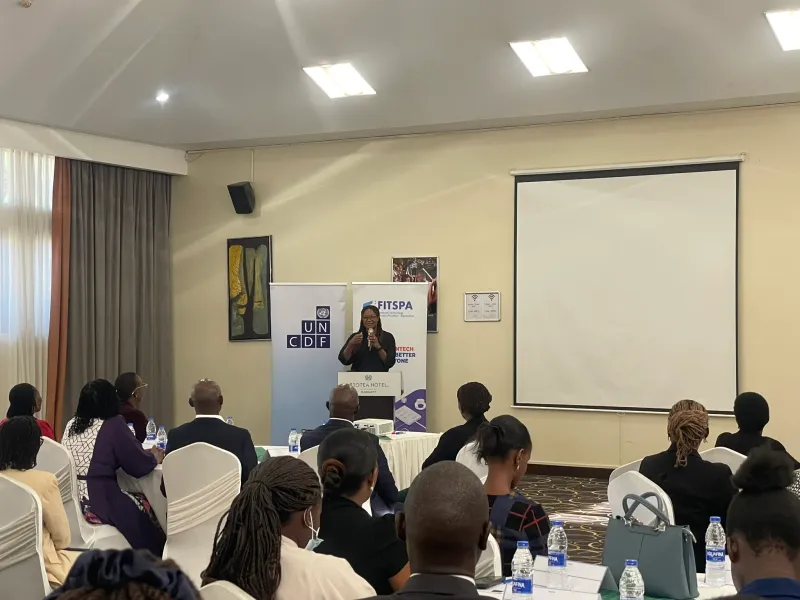
Online lending platforms in Uganda are set to operate under a new self-regulatory framework designed to professionalise the sector and eliminate unethical actors. The Industry Code of Conduct for Responsible Digital Lending, developed jointly by the UN Capital Development Fund (UNCDF), the Financial Technology Service Providers’ Association (FITSPA), and the Ministry of Finance, Planning and Economic Development, introduces clear standards intended to strengthen fairness, transparency, and accountability across the rapidly expanding digital credit space.
FITSPA, which will serve as custodian of the Code, says the document provides “a common rulebook for providers that want to show they are lending responsibly.” The Code outlines expectations around straightforward and honest marketing, clear pricing and loan terms, affordability assessments, secure handling of customer data, and respectful loan recovery methods. It also defines simple procedures for customers to file and resolve complaints.
Digital lenders that sign onto the Code must ensure board-level approval, train their staff on its requirements, and regularly monitor and report their conduct including customer complaints.
Kenneth Muhangi, Chair of FITSPA’s Legal, Policy and Regulatory Committee, explained that the primary purpose of this self-regulation is to restore and strengthen public trust in online lending. While welcoming the initiative, he stressed that the industry’s growth ultimately requires a dedicated legal framework, beyond existing laws governing areas such as data protection, money transfers, and computer misuse.
The Ministry of Finance also endorsed the initiative. Edith Namugga Tusuubira, Commissioner for Microfinance Regulation, noted that the Code will help to curb fraud, excessive charging, borrower harassment, and improper seizure of customers’ assets. She added that self-regulation helps lighten the burden on state institutions.
“We shall work together with FITSPA to ensure it utilises our complaints handling process to promote responsible lending. So far, we have handled 1,000 complaints,” she said. She highlighted the need for a modern, data-driven regulatory framework as digital and AI technologies expand, but cautioned borrowers against reckless credit behavior. “If we don’t borrow responsibly, our country won’t grow,” she said, adding that “NDP 4 encourages credit, but we should borrow responsibly.”
She said stronger outcomes will depend on collaboration with associations like FITSPA, industry-led assessment, and global innovation.
UNCDF’s Samantha Malambo praised the Code as a timely and necessary industry initiative. She urged stakeholders to ensure it becomes an active operational tool rather than a static document. According to her, the framework represents progress toward a safer, more resilient digital credit ecosystem capable of supporting MSMEs, youth, and women without triggering risks associated with over-regulation. She noted that it is rare for industry growth to be matched by policy that is both supportive and industry-driven, calling the development encouraging for Uganda’s digital lending sector.
The Code primarily defines how service providers and customers should relate to one another, with the aim of ensuring smooth, fair transactions that leave both parties satisfied.
FITSPA Board Chairperson Vincent Tumwijukye expressed concern about the future of digital lending if micro, small, and medium-sized enterprises (MSMEs) which account for roughly 90 percent of employment are not treated appropriately. Despite their importance, about 70 percent of MSMEs still lack sufficient access to credit. Tumwijukye cited ongoing problems such as “predatory” lending, misuse of personal data, unethical debt collection, and declining market trust. These challenges, he said, have at times nearly led to policy reactions that could have erased gains already made.
He emphasized that the Code is intended to protect both lenders and borrowers. Its two central objectives are to create enforceable industry standards that support responsible lending and long-term sector growth, and to safeguard consumers by ensuring they access safe, affordable credit and can make informed financial choices.
Tumwijukye warned that the framework is not symbolic but enforceable, with penalties that may include public warnings, suspension, or deregistration. “By adhering to this Code, industry players will reinforce market confidence, safeguard consumers, and expand financial inclusion across the country.”
He noted that other sectors, such as banking, have successfully adopted self-regulation. The Uganda Bankers Association has developed policies that were later integrated into binding regulations by the Bank of Uganda.
Mina Shahid, CEO of leading digital lender Numida and chairperson of the stakeholder working group behind the Code, said the industry’s survival depends on treating customers well, which the new framework aims to ensure.
Email:homelandnewspaper@gmail.com


